
 Bahasa




Berita Industri
Rumah / Berita / Berita Industri / Air Conditioner Parts Thermostat Guard: Features, Applications, and Selection Guide
Air Conditioner Parts Thermostat Guard: Features, Applications, and Selection Guide
Diposting oleh Admin | 12 Aug
Anyone who has watched a shared thermostat get bumped five degrees a dozen times a day knows the problem an Air Conditioner Parts Thermostat Guard solves. It's a protective enclosure that lets people see the reading without letting everyone touch the dial, which keeps both the equipment and the energy bill in check.
SEC.01
[ What This Guard Does ]
Installed directly over a wall-mounted thermostat, the guard prevents accidental adjustment, unauthorized operation, and physical impact damage while still letting authorized staff read and change settings through a lock or screw-fixed cover. A well-built guard combines a transparent or solid cover, a mounting frame, a locking mechanism, and ventilation openings that keep the sensor reading accurate air temperature rather than trapped heat.
01 Transparent or solid cover for viewing without direct access
02 Mounting frame that fits securely over the thermostat body
03 Locking mechanism to control who can change settings
04 Ventilation openings that keep temperature sensing accurate
SEC.02
[ Material Options and Impact Resistance ]
Polycarbonate covers combine strong impact resistance with clear visibility, ABS housings keep cost and weight down for general indoor use, and metal frames step in where an industrial environment calls for the highest protection strength.
Illustrative Impact Resistance by Material (out of 10)
Polycarbonate
ABS Plastic
Metal Frame
SEC.03
[ Guard vs Cover: Security Level ]
A basic thermostat cover offers light protection with open access. An Air Conditioner Parts Thermostat Guard goes further, adding a locking function specifically built to restrict who can adjust settings.
Illustrative Security Level (out of 10)
| Main Purpose | Prevent unauthorized operation | Basic protection |
| Security Level | Higher, locking function | Usually lower |
| Application | Commercial, industrial | Residential, basic use |
| Material | Polycarbonate, ABS, metal | Mostly plastic |
| Access Control | Can restrict adjustments | Usually open access |
Columns left to right: Thermostat Guard, Thermostat Cover
SEC.04
[ Where Thermostat Guards Get Installed ]
Commercial Buildings Schools & Public Facilities Industrial Facilities Residential Homes
Offices, hotels, and shopping centers use guards to keep centralized temperature control consistent across shared spaces. Schools and public buildings lean on them to stop frequent, unauthorized adjustments, while homes use lighter versions mainly to prevent accidental changes.
SEC.05
[ Choosing the Right Guard ]
Before You Order Confirm thermostat dimensions and mounting position first. A guard that doesn't match the thermostat's exact footprint won't seal properly, defeating the ventilation and tamper protection it's meant to provide.
Match the material to the environment: polycarbonate for general impact resistance, ABS for lightweight indoor installations, and metal for industrial settings with heavier physical contact. Then decide on security level, since not every location needs a full lock, some only need to slow down casual tampering.
SEC.06
[ Frequently Asked Questions ]
What's the difference between a thermostat guard and a thermostat cover?
A thermostat guard typically includes a locking mechanism for stronger access control, while a basic cover offers lighter protection with mostly open access.
Can I still read the thermostat with a guard installed?
Yes. Most guards use a transparent cover so authorized users can view temperature readings without opening or unlocking the enclosure.
Which material should I choose for outdoor or industrial use?
Metal frames offer the highest protection strength for industrial environments, while polycarbonate balances strong impact resistance with clear visibility for general use.
Do thermostat guards actually reduce energy costs?
Indirectly, yes. By preventing frequent unauthorized adjustments, a guard helps maintain consistent temperature settings, which supports more stable HVAC energy use.
 |  |
Produk yang direkomendasikan
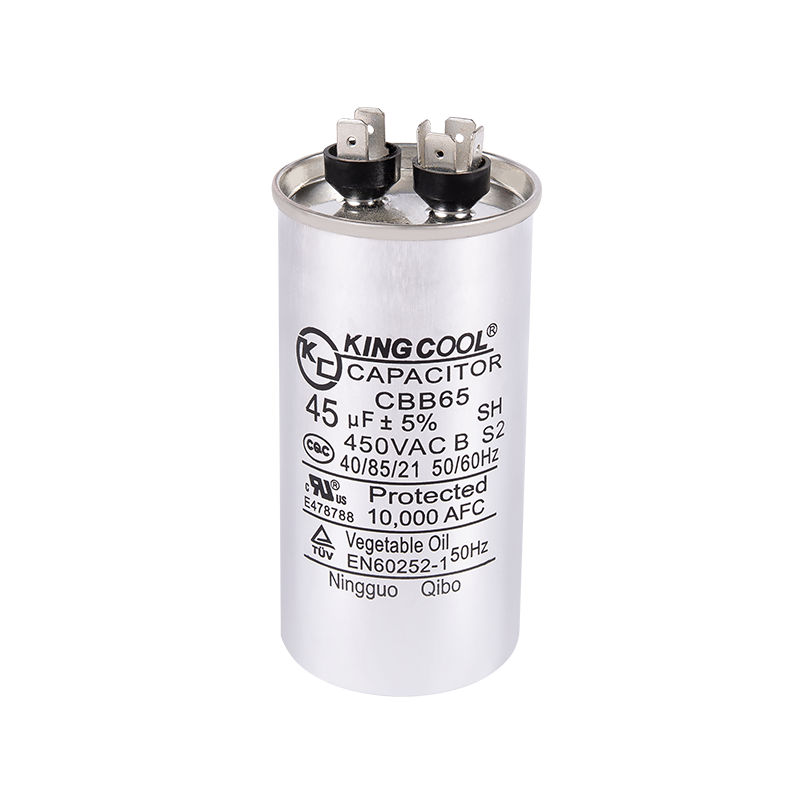
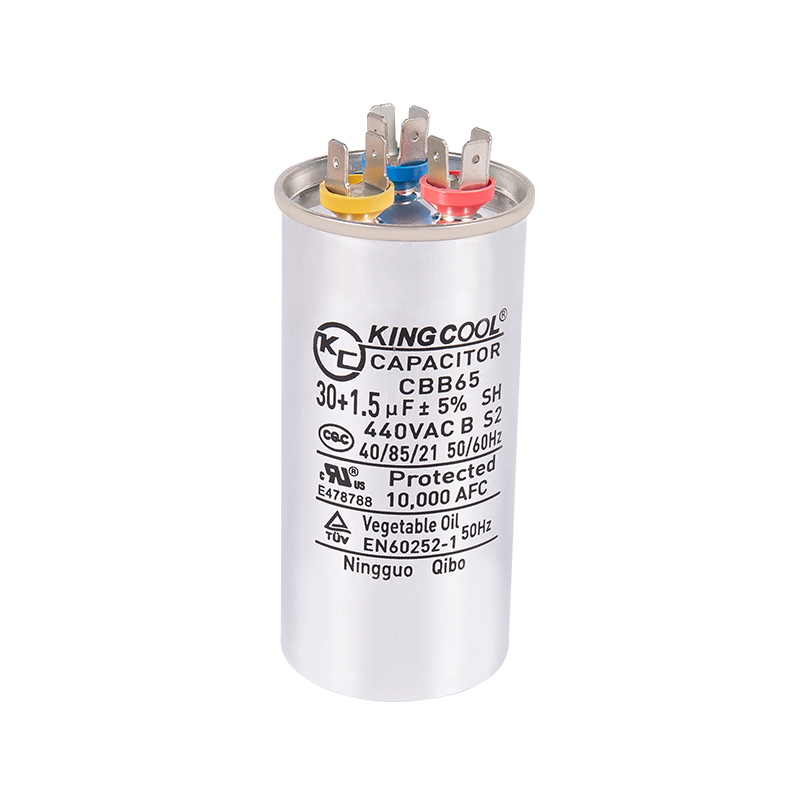
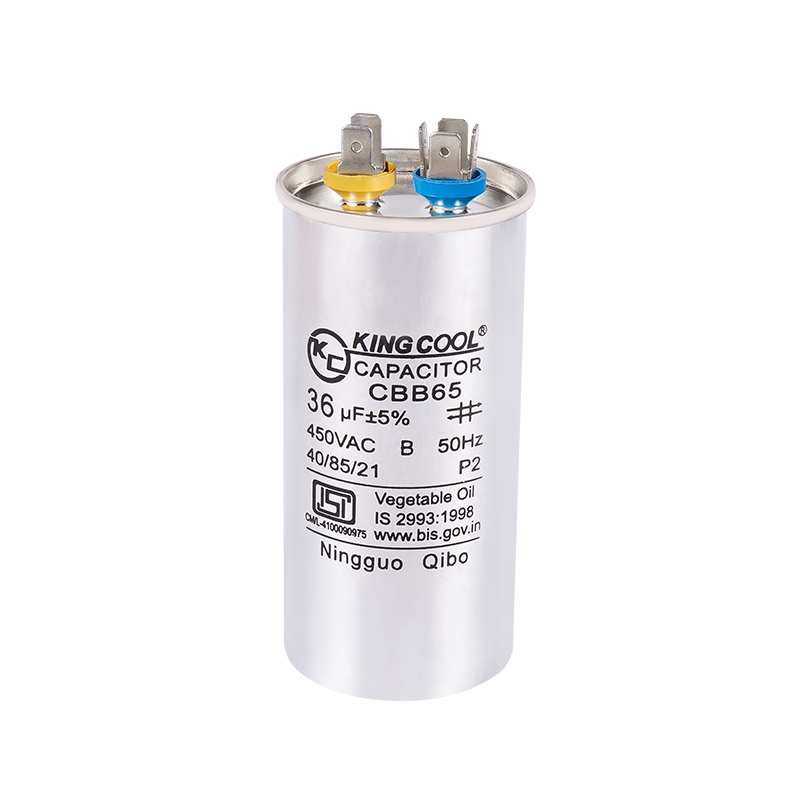
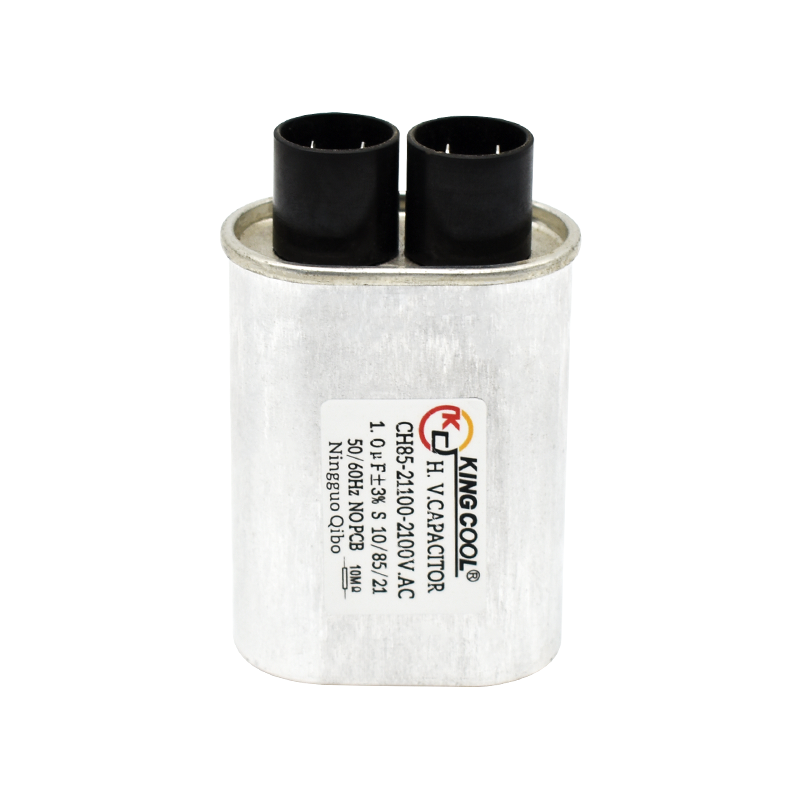
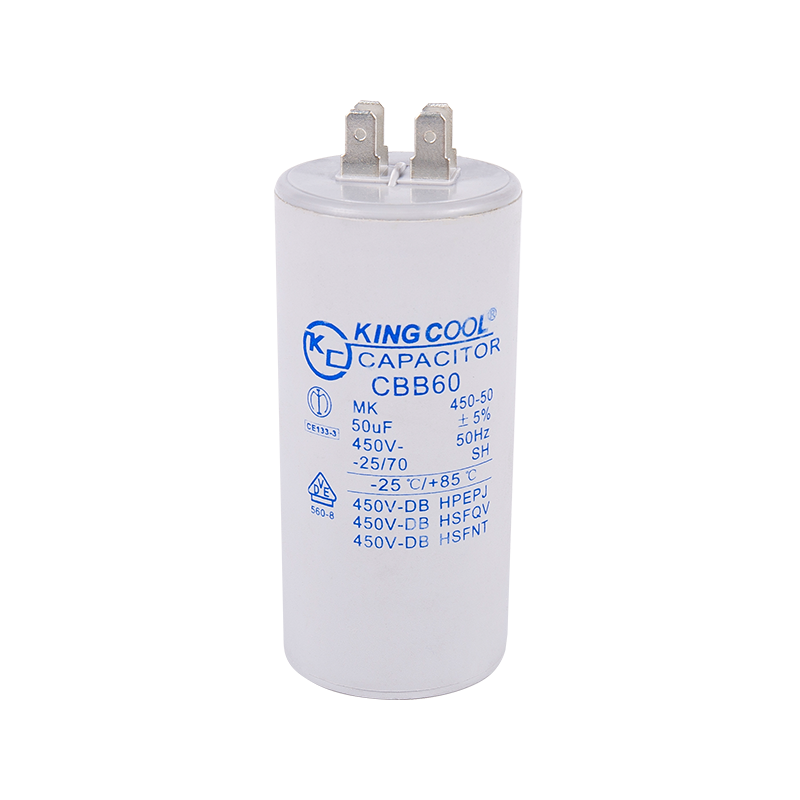
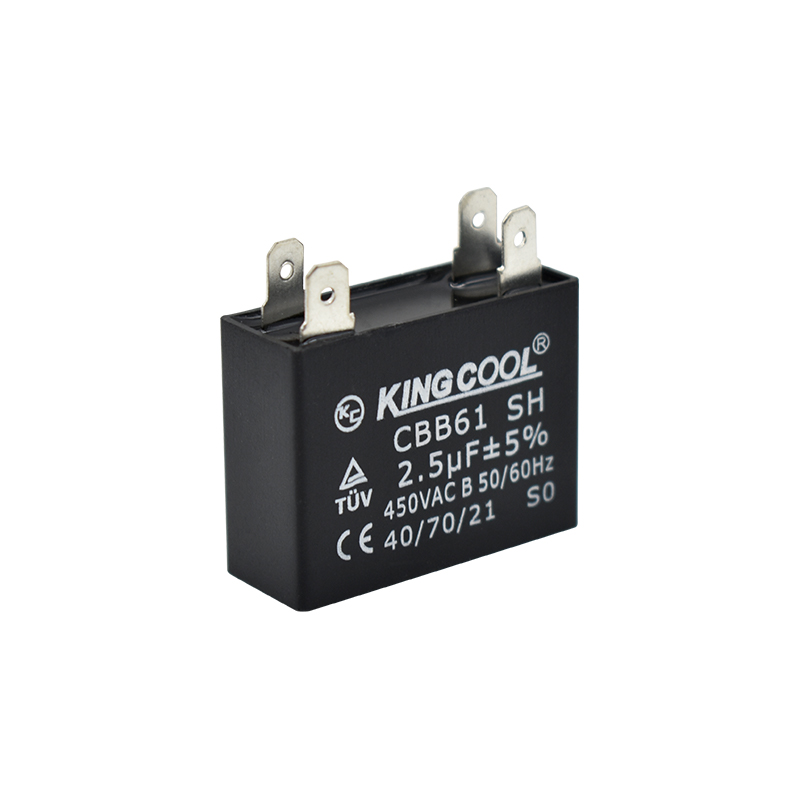

Pengisian daya yang efisien, output stabil, kapasitor, pilihan pertama untuk penggerak listrik.
- Address: Sisi Utara Meicun Rd Helixi Zona Pengembangan Ekonomi dan Teknologi Ningguo, Anhui, Cina
- Phone/WhatsApp: +86-18110862602
- Email:
Berlangganan buletin kami
Jika Anda memiliki sesuatu untuk dikonsultasikan, Anda dapat mengikuti kami, kami akan menghubungi Anda segera

Hak Cipta © Ningguo Kingool Impor dan Ekspor Co., Ltd. Semua hak dilindungi undang -undang. Pemasok Suku Cadang & Aksesori HVAC Kustom